Supply Chains in 2026: How Firms Build Real Resilience
Supply Chains in 2026: How Firms Build Real Resilience. Supply chains in 2026 are still being redrawn. We explain how firms test suppliers, hold inventory and.
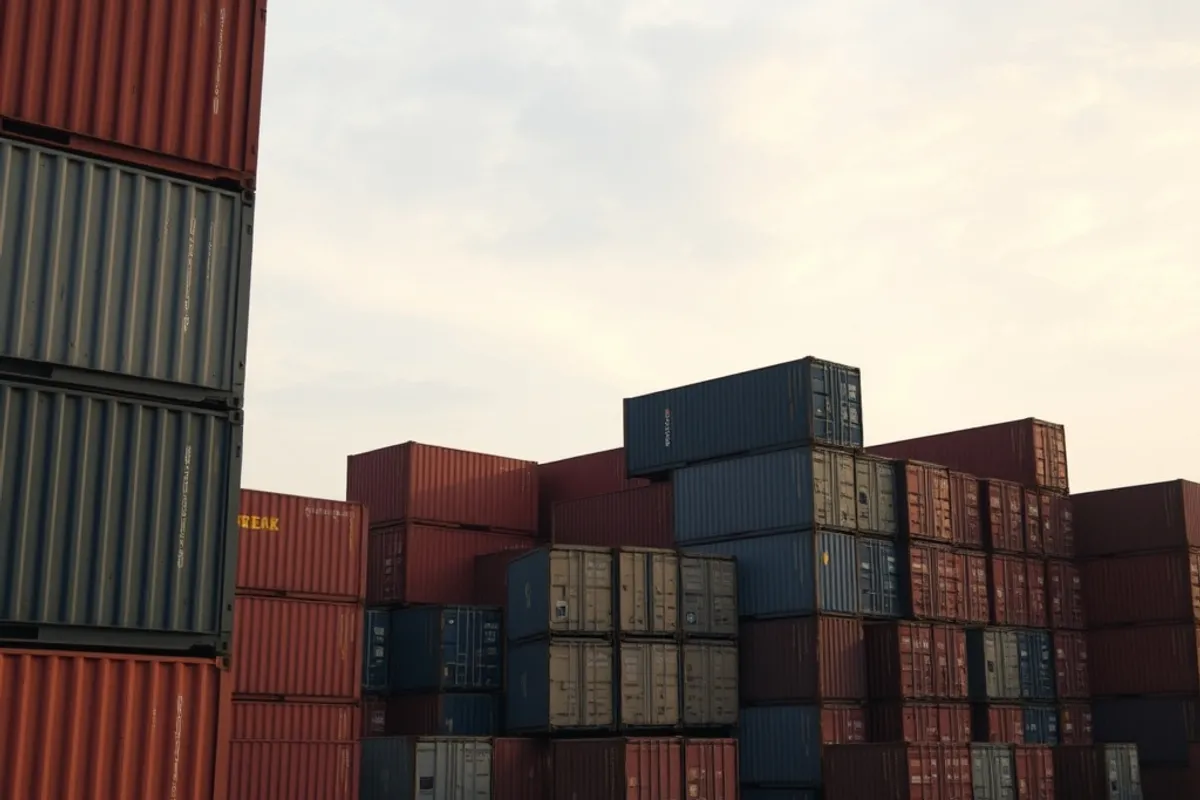
Resilience is not the same as moving every supplier to a new country. It is the ability to keep serving customers when one route, factory or component fails. That usually comes from unglamorous preparation.
In 2026, firms are paying more attention to visible weak points: single-source parts, long lead times and suppliers that cannot show their own subcontractors.
Key facts
- Map beyond direct suppliers
- Hold strategic stock for critical parts only
- Qualify alternative sources before they are needed
- Practise scenarios with named decision owners
Map the Real Network
A supplier list is not a supply chain. The useful map includes second-tier providers, transport corridors and the components that would stop production if they disappeared.
Firms that map deeply find dependencies early. Those that rely on tier-one assurances often learn about a bottleneck only after deliveries slip.

Inventory Is a Choice
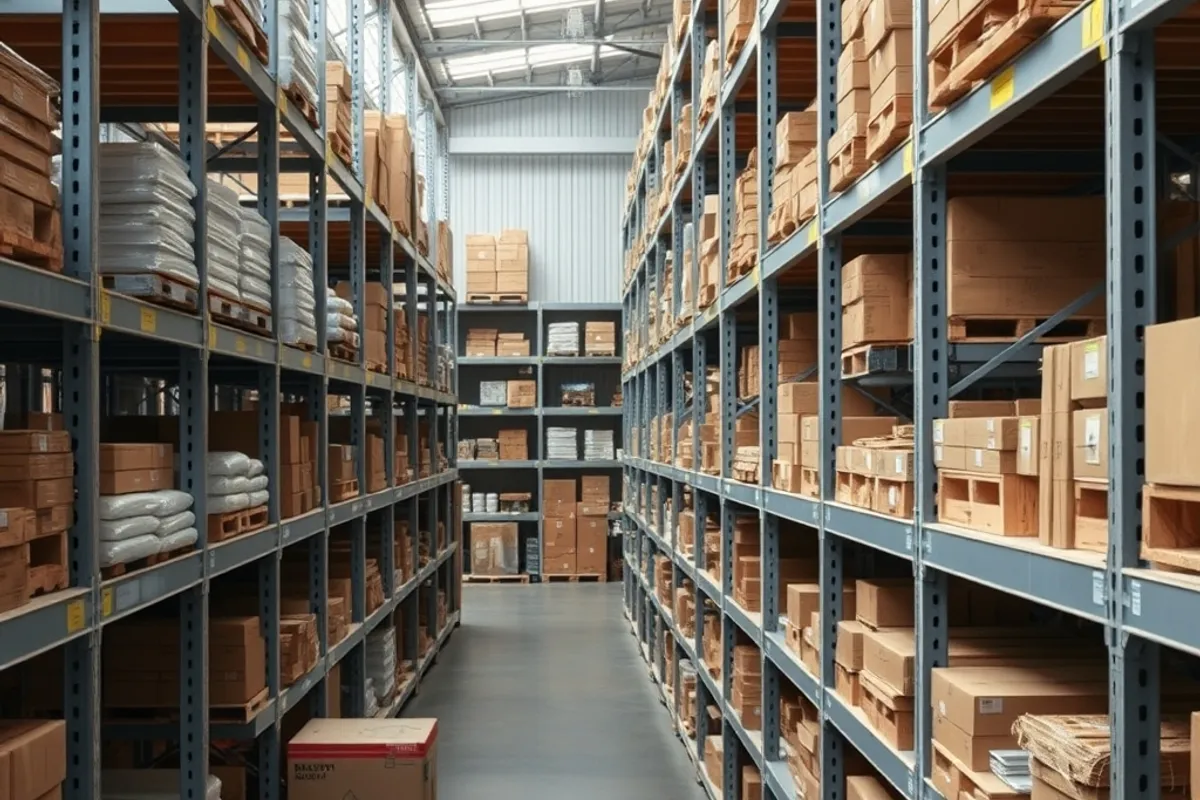
Holding more stock costs money, but so does stopping a production line. The right buffer depends on lead time, product value and how quickly a substitute can be qualified.
Smart firms hold strategic inventory for a small set of critical parts rather than filling warehouses with everything. That keeps the response focused and affordable.
Dual Sourcing Takes Time
A second supplier is only useful if it has been tested. Qualification, tooling and quality checks can take months, which means the work must happen before a crisis.
Companies often keep a smaller share of volume with an alternative source. That keeps the relationship warm and the process familiar when volumes need to shift.
Measure What Would Break
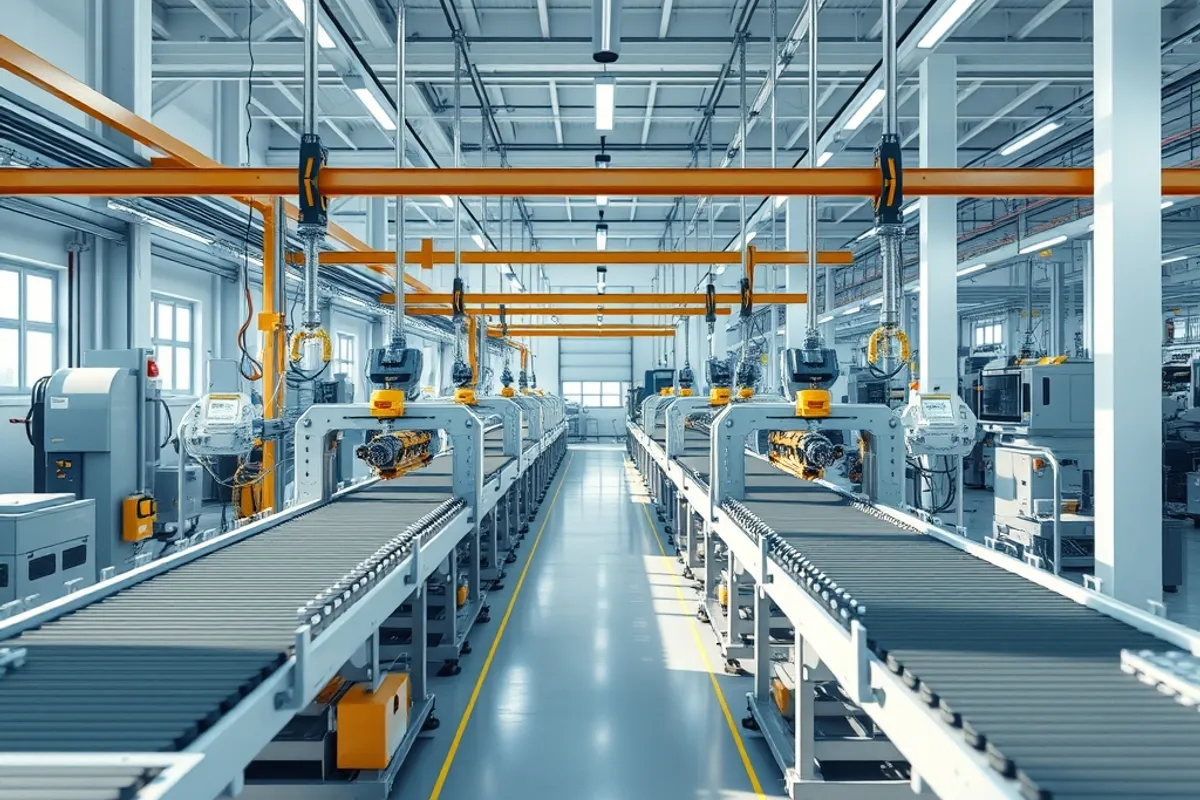
Scenario exercises reveal more than spreadsheets. Ask what happens if a port closes for three weeks, a key component fails inspection or a supplier loses power.
The best plans name owners and decision points. A document nobody has practised is not resilience; it is reassurance.
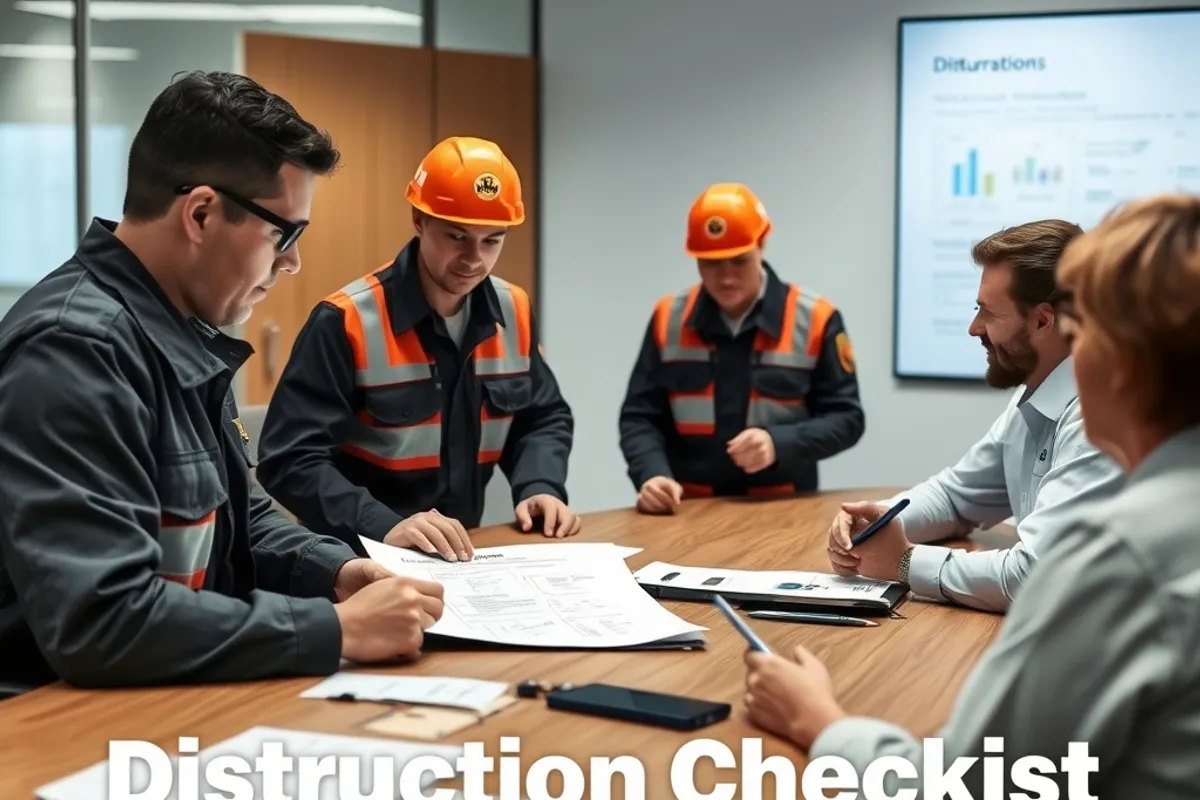
Resilience is built before the disruption, not during the first urgent meeting.
How to Use This Reporting
This business & economy report is written so a reader can check the claim without reading every linked document. The first step is to separate what happened from what is still being checked. Map beyond direct suppliers. That point is the anchor for the rest of the article, because it tells you which detail would change the conclusion if it were wrong.
The second step is to compare the mechanism with your own situation. Hold strategic stock for critical parts only. Qualify alternative sources before they are needed. Those points explain why the same headline can matter differently in different places, and why a careful local reading is often more useful than a broad claim.
Finally, keep the limits in view. Resilience is built before the disruption, not during the first urgent meeting. Where the evidence is thin, this article says so and points to the primary material instead of filling the gap with certainty. You can follow the related links below or return to the Business & Economy section for the full picture.
Related reporting
For primary context, see OECD trade and supply chain analysis. More coverage is available on the Business & Economy page.
Iliana Rebick reports what changed, what is known and what remains uncertain.