AI Tools in 2026: What They Really Change at Work Today
AI Tools in 2026: What They Really Change at Work Today. AI tools in 2026 change daily work more through workflow than novelty. We separate useful gains from.

Most workplace AI is less dramatic than the demos suggest. It drafts a first version, summarises a long thread, sorts notes or finds a pattern in a spreadsheet. The gain comes from removing small steps.
That gain is real, but it depends on workflow. A tool that produces a poor draft and needs heavy correction can cost more time than it saves.
Key facts
- Start with repetitive tasks that have clear checks
- Verify names, dates and numbers directly
- Set explicit data boundaries before use
- Measure total time including corrections
Find the Repetitive Step
The best starting point is a task that repeats and has a clear check. Meeting notes, routine replies and first-pass summaries often fit. Open-ended judgement usually does not.
Write down what good output looks like before introducing a tool. Without that standard, speed becomes the only measure and errors travel quietly.

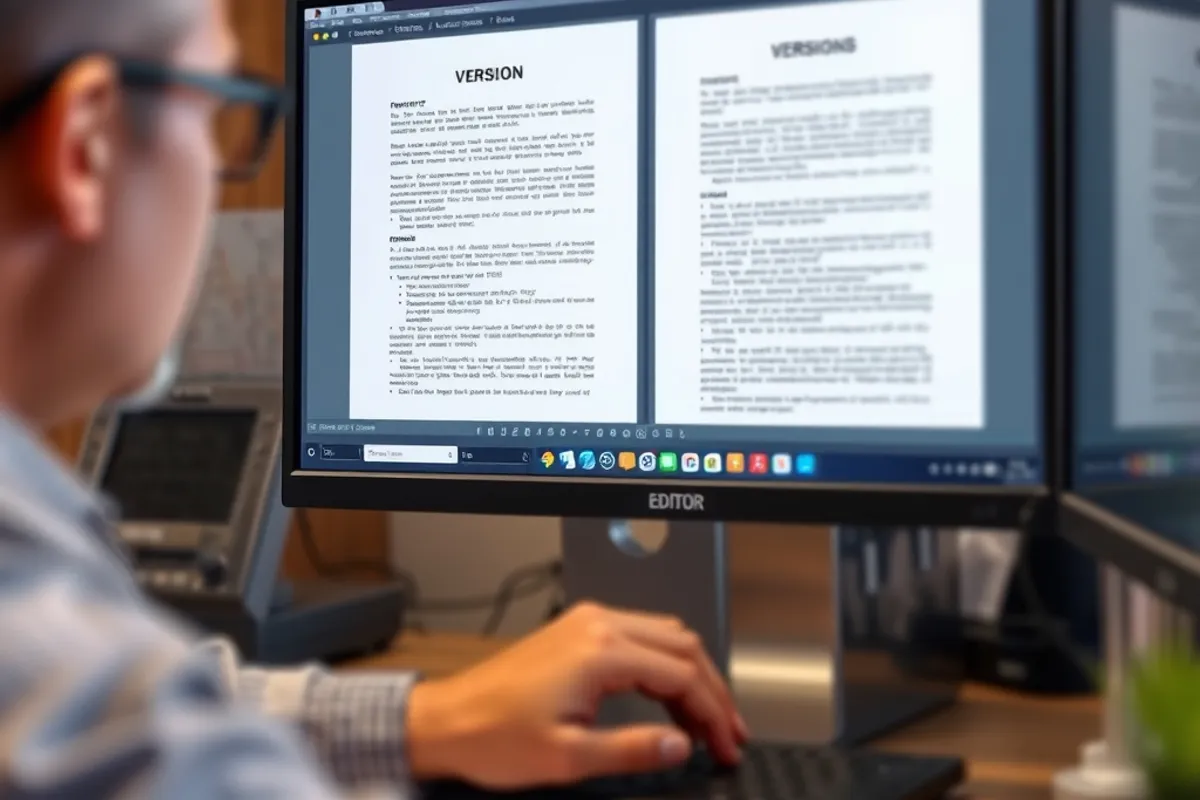
Review Is Not Optional
AI output can be fluent and wrong. Names, dates and numbers deserve direct checking, especially in legal, medical or financial work. A confident sentence is not evidence.
Keep a named reviewer for each workflow. The reviewer should have the authority to reject the output and the time to do it properly.
Data Boundaries Matter
Before pasting material into a tool, check what the organisation allows. Customer records, contracts and internal financial data often have rules that a subscription does not override.
Clear guidance helps staff use tools safely instead of avoiding them entirely. A short list of allowed and prohibited inputs is more useful than a vague warning.
Measure the Actual Saving
Track one task for two weeks before and after a change. Include correction time, not just generation time. If the total falls, the tool is earning its place.
When it does not, remove it. Tool sprawl creates its own cost in training, licences and attention.

The value is in the workflow, not in the novelty of the demo.
How to Use This Reporting
This technology report is written so a reader can check the claim without reading every linked document. The first step is to separate what happened from what is still being checked. Start with repetitive tasks that have clear checks. That point is the anchor for the rest of the article, because it tells you which detail would change the conclusion if it were wrong.
The second step is to compare the mechanism with your own situation. Verify names, dates and numbers directly. Set explicit data boundaries before use. Those points explain why the same headline can matter differently in different places, and why a careful local reading is often more useful than a broad claim.
Finally, keep the limits in view. The value is in the workflow, not in the novelty of the demo. Where the evidence is thin, this article says so and points to the primary material instead of filling the gap with certainty. You can follow the related links below or return to the Technology section for the full picture.
Related reporting
For primary context, see NIST artificial intelligence resources. More coverage is available on the Technology page.
Iliana Rebick reports what changed, what is known and what remains uncertain.