Climate Data in 2026: How to Read the Evidence Clearly
Climate Data in 2026: How to Read the Evidence Clearly. Climate data in 2026 arrives as charts, indexes and headlines. We explain how to read the evidence.
Science & Environment
Science and environment reporting on climate evidence and space missions, focused on methods, uncertainty and what the data can honestly support carefully.
Climate Data in 2026: How to Read the Evidence Clearly: Climate evidence is usually presented as a number: a temperature anomaly, a rainfall total, an index of extremes. Each number is useful only when you know what it measures and what it leaves out.
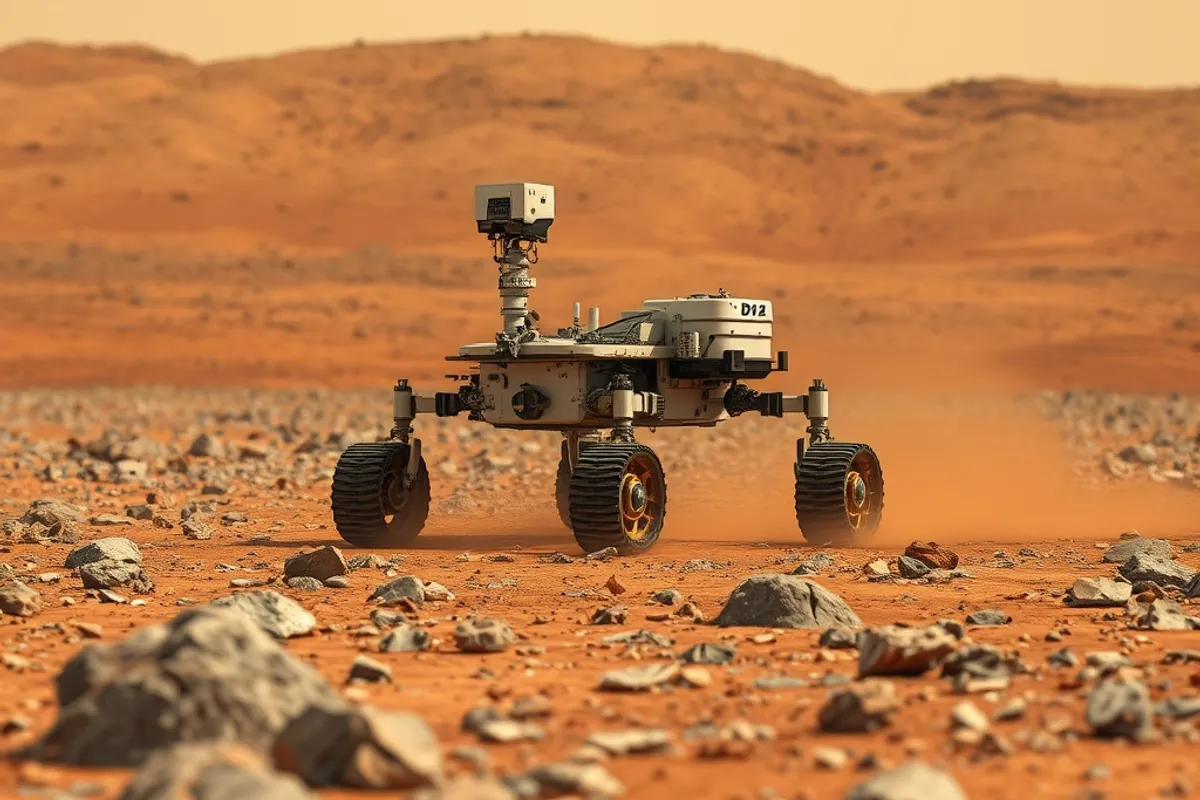
Space Missions in 2026: What New Discoveries Tell Us: Space news often arrives as a photograph with a bold caption. The science is slower: instruments are checked, data is calibrated and claims are tested against earlier observations.