Space Missions in 2026: What New Discoveries Tell Us
Space Missions in 2026: What New Discoveries Tell Us. Space missions in 2026 returned new data from orbit, Mars and deep space. We explain what the discoveries.
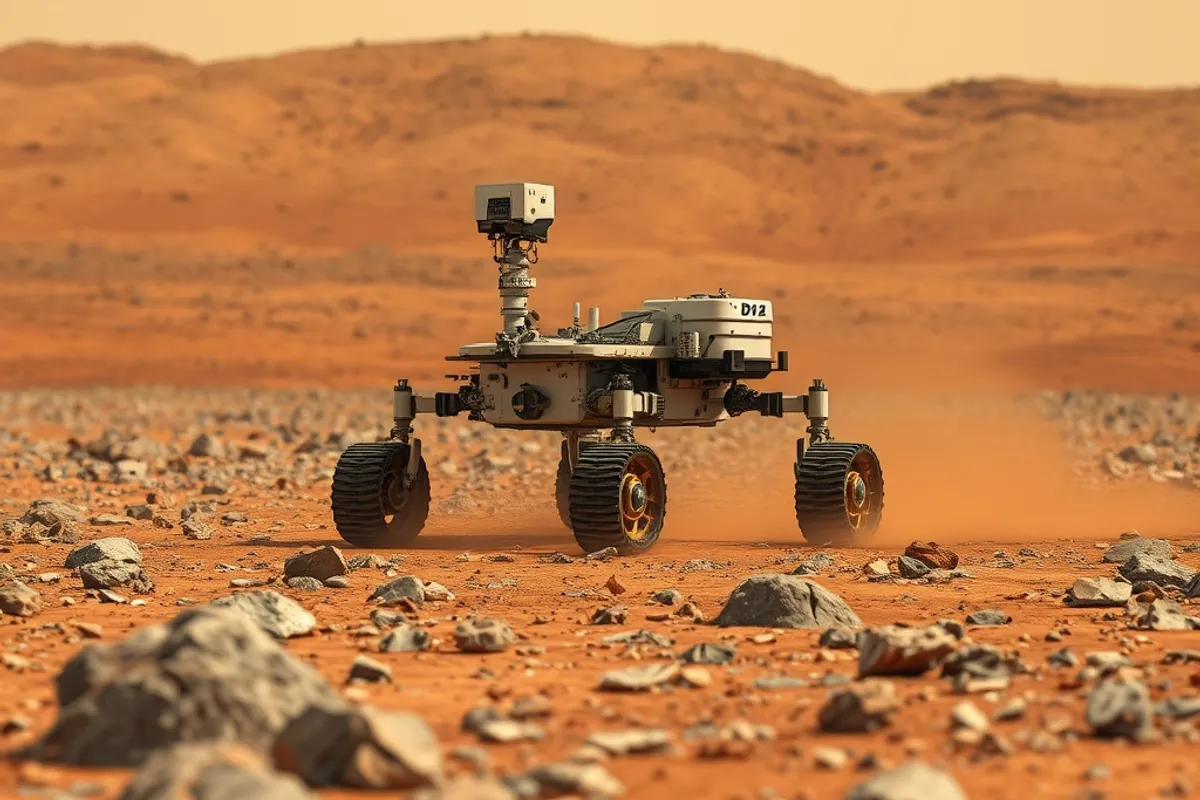
Space news often arrives as a photograph with a bold caption. The science is slower: instruments are checked, data is calibrated and claims are tested against earlier observations.
The missions discussed in 2026 produced useful results because they answered narrow questions well. Understanding those questions makes the discoveries easier to judge.
Key facts
- Orbiters map broad patterns over time
- Rovers provide detailed local measurements
- Sample return extends analysis to Earth laboratories
- New instruments often refine rather than replace earlier results
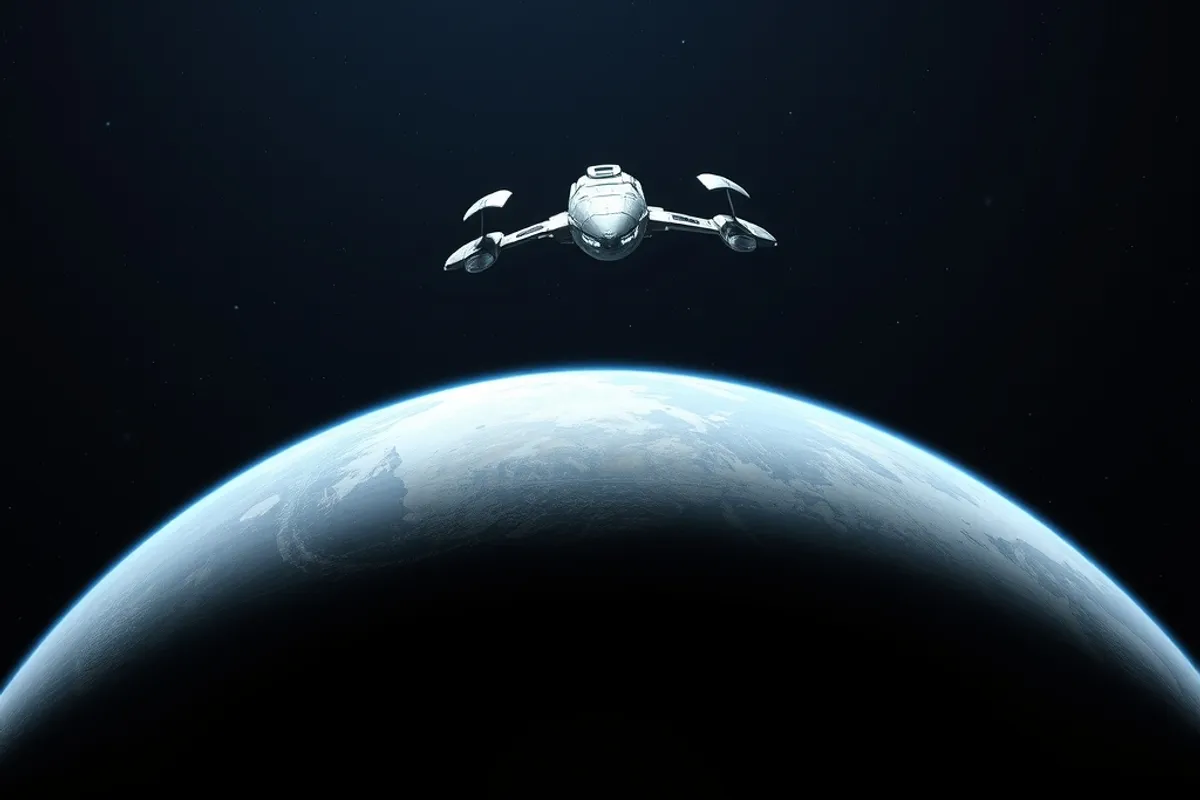
Orbiters Map the Whole Picture
Orbital missions cover large areas and repeat observations over time. They are excellent for mapping surfaces, tracking weather and spotting change between seasons.
Their limits matter too. An orbiter may see a mineral signature without knowing the exact texture or age of the ground beneath it.
Rovers Answer Local Questions
A rover can inspect a single rock face in detail, drill below the surface and measure chemistry at a scale an orbiter cannot match. That detail is slow and valuable.
Travelling a few kilometres can take months. Every discovery is therefore tied to a route shaped by terrain, power and safety.
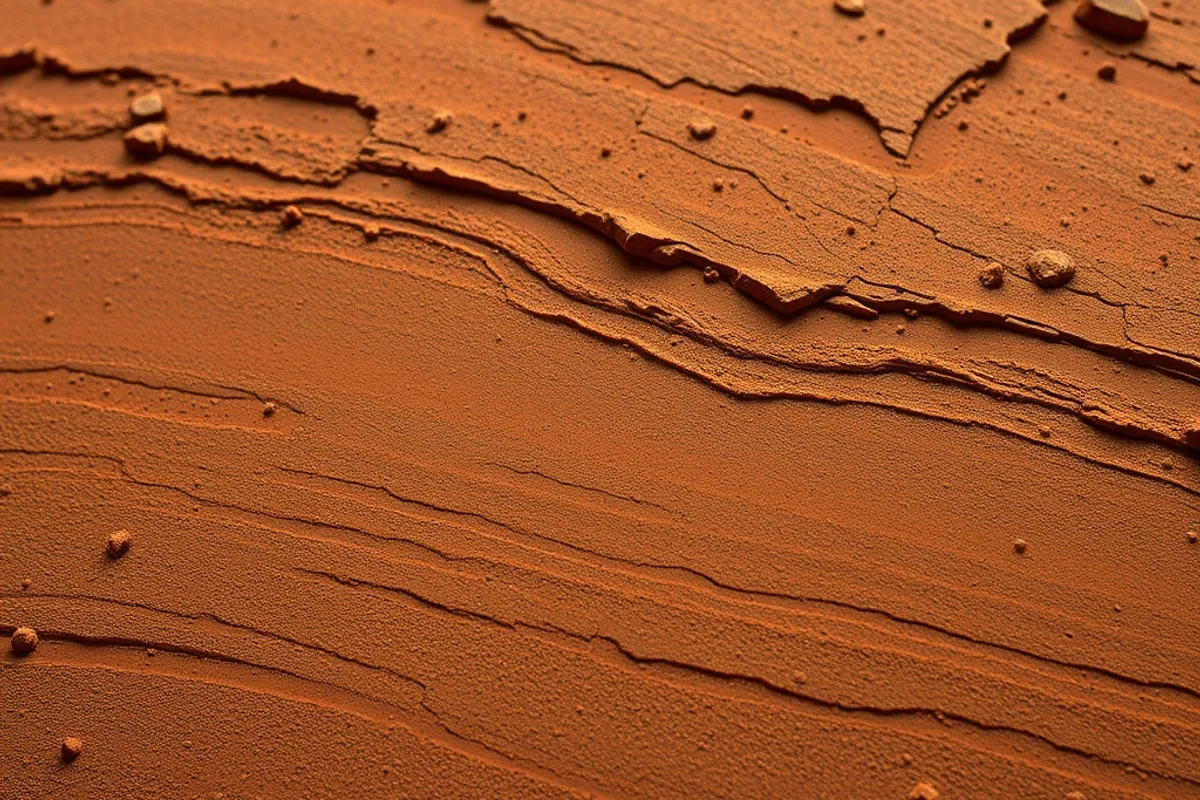
Samples Need Patience
Returning material to Earth offers laboratories far more capability than a spacecraft can carry. But collection, sealing and transport add years to a project.
Until samples arrive, statements about age or biology remain careful. The caution is a strength of the method, not a weakness.
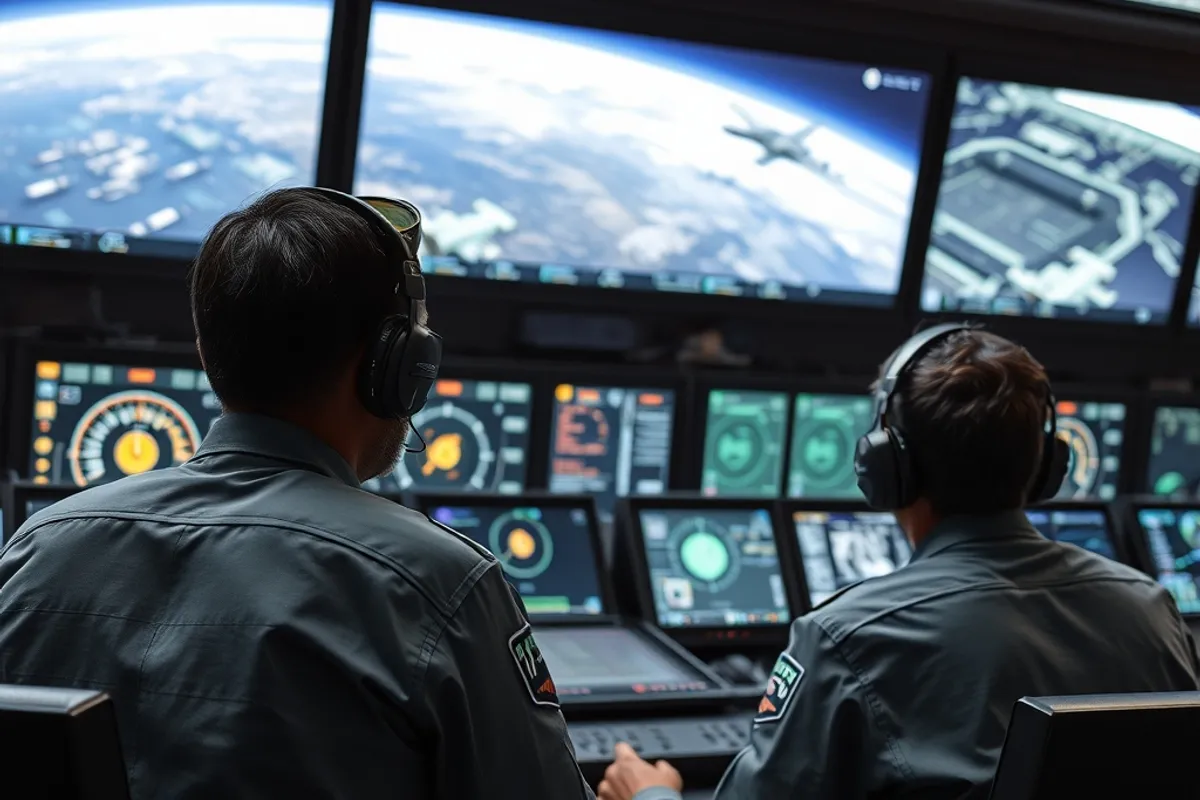
What Changes Next
New instruments tend to refine old maps rather than overturn them. A better spectrometer, camera or drill can turn a broad hint into a measured result.
The honest summary is cumulative: each mission adds a piece to a picture that is still incomplete.
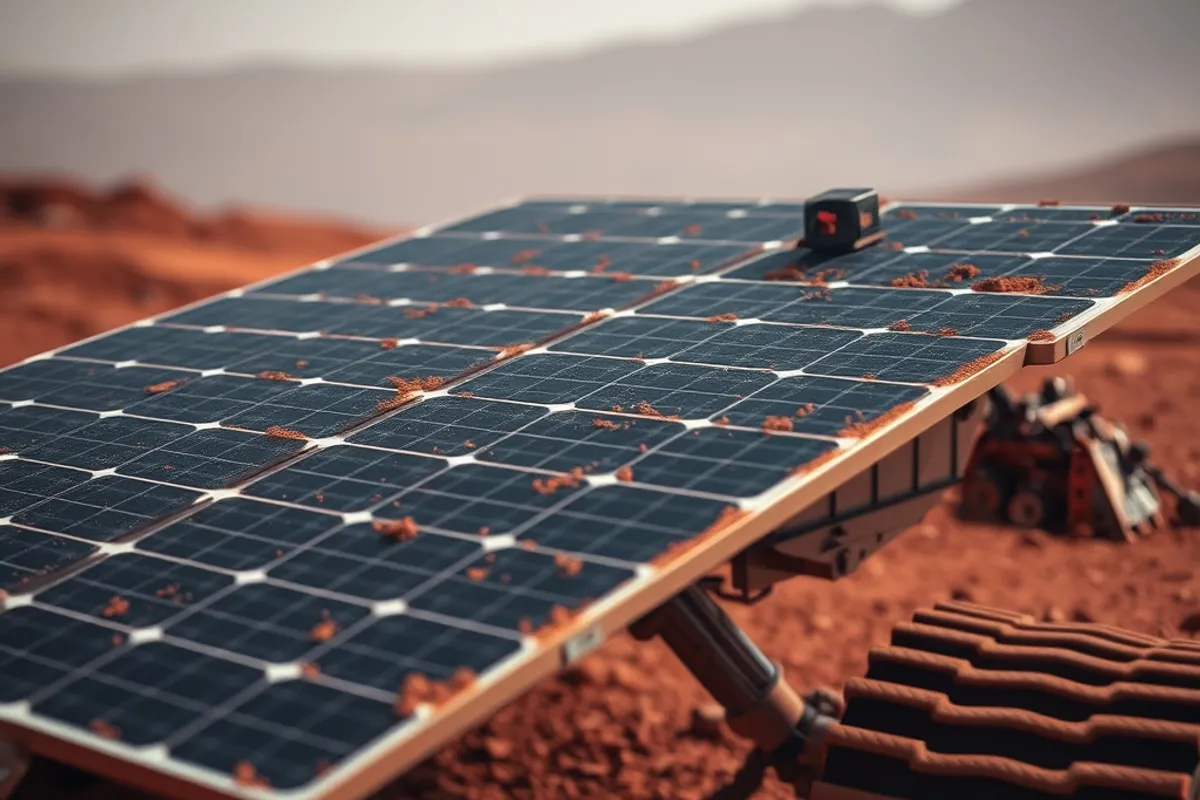
A discovery is only as strong as the instrument and the question behind it.
How to Use This Reporting
This science & environment report is written so a reader can check the claim without reading every linked document. The first step is to separate what happened from what is still being checked. Orbiters map broad patterns over time. That point is the anchor for the rest of the article, because it tells you which detail would change the conclusion if it were wrong.
The second step is to compare the mechanism with your own situation. Rovers provide detailed local measurements. Sample return extends analysis to Earth laboratories. Those points explain why the same headline can matter differently in different places, and why a careful local reading is often more useful than a broad claim.
Finally, keep the limits in view. A discovery is only as strong as the instrument and the question behind it. Where the evidence is thin, this article says so and points to the primary material instead of filling the gap with certainty. You can follow the related links below or return to the Science & Environment section for the full picture.
Related reporting
For primary context, see NASA mission information. More coverage is available on the Science & Environment page.
Iliana Rebick reports what changed, what is known and what remains uncertain.