Local Festivals in 2026 and the Changing Community Impact
Local Festivals in 2026 and the Changing Community Impact. Local festivals in 2026 are changing how neighbourhoods gather. We examine funding, volunteers.
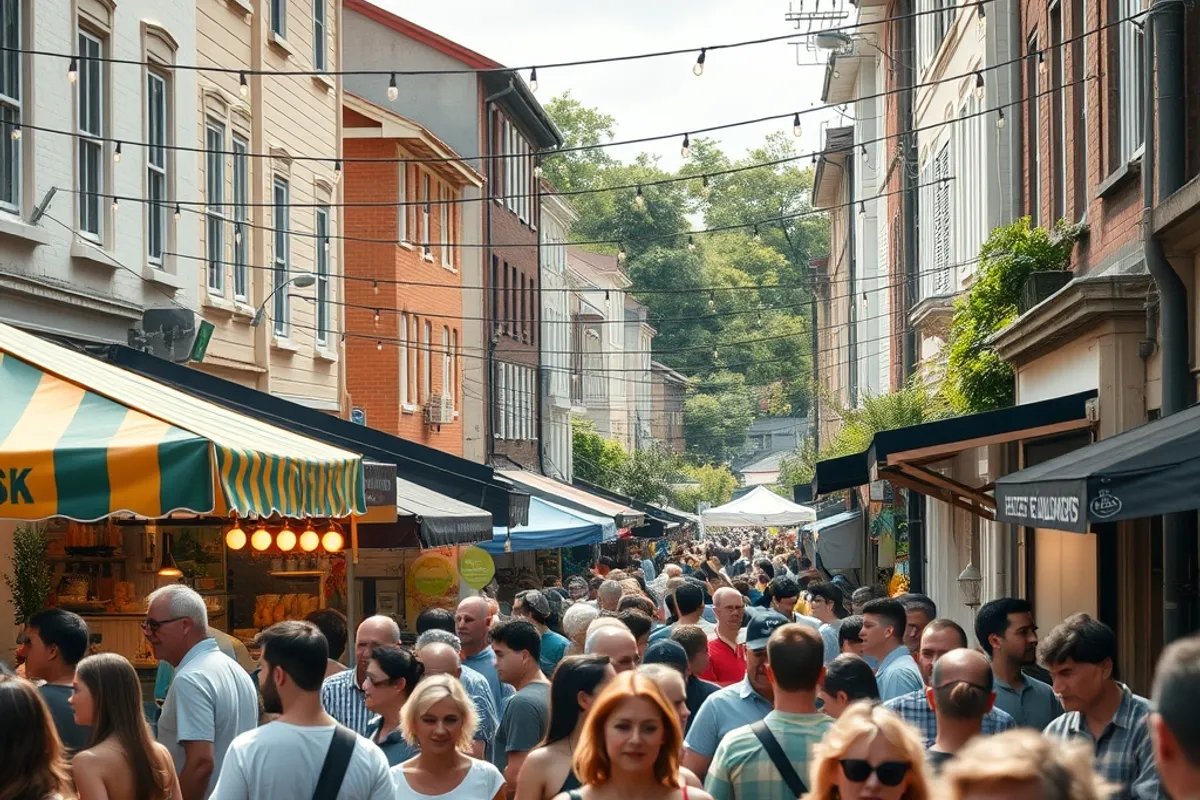
A local festival looks simple from the outside: a closed street, a stage and a crowd. Behind it sits a year of volunteer meetings, permit forms, budgets and negotiations with nearby shops.
The events that last are not always the biggest. They are the ones that leave a neighbourhood with stronger connections after the stalls are taken down.
Key facts
- Publish a simple budget and show local benefit
- Give volunteers clear shifts and named leads
- Measure more than attendance
- Plan cleanup and access before the event
Who Pays and Who Benefits
Festivals often rely on a mix of local grants, sponsorship and stall fees. That mix shapes who can take part and what the event becomes.
Organisers who publish a simple budget build trust. Nearby businesses can see whether spending stays in the area and whether the event helps them rather than competing with them.
Volunteers Need a Plan
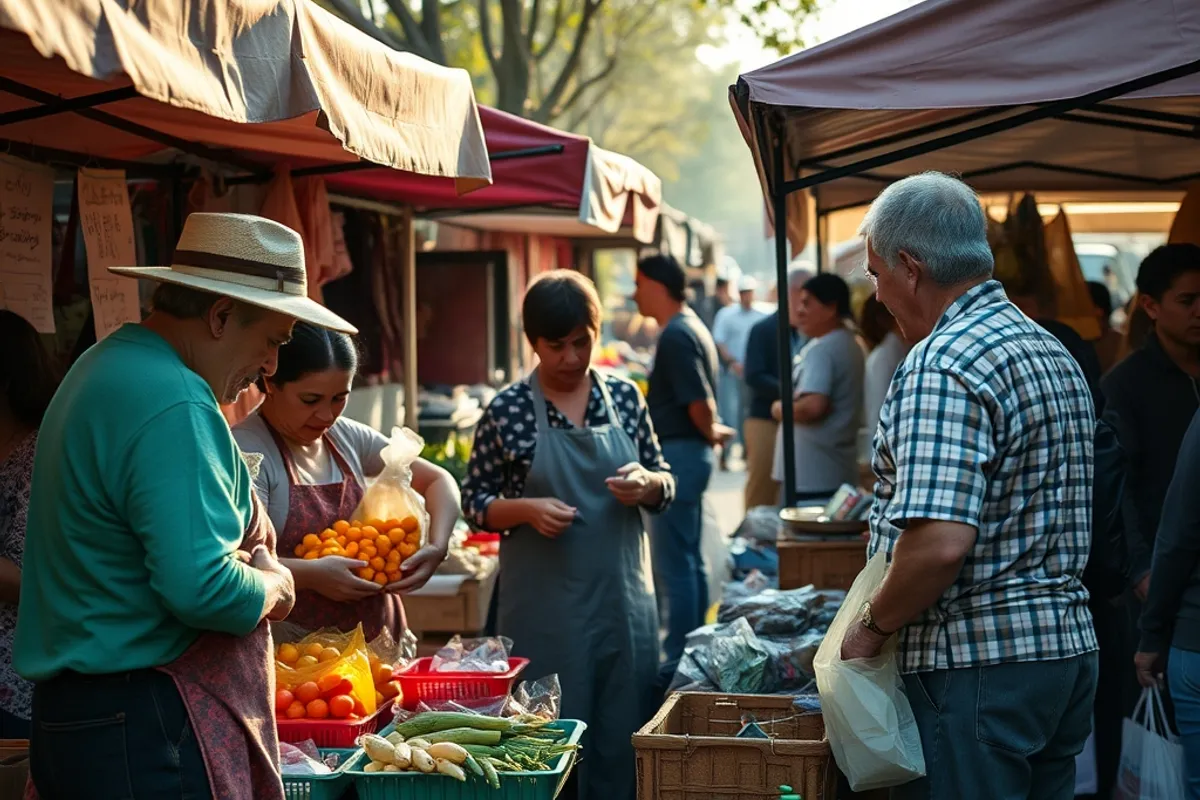
Good festivals do not run on enthusiasm alone. They need clear shifts, named leads, a contact sheet and a plan for the moment when someone cannot attend.
Recognising volunteers publicly costs little and keeps the team together for the next year. Burnout is the most common reason a successful event disappears.
Measuring More Than Attendance
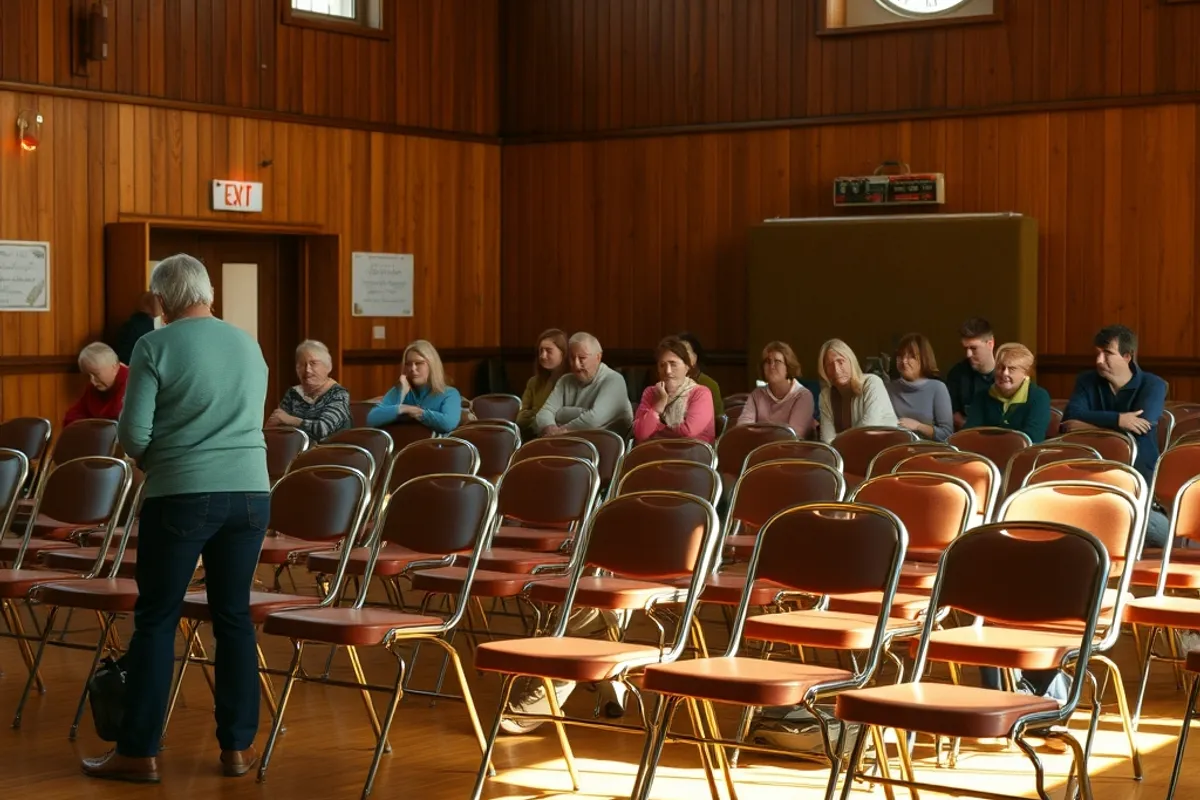
Crowd size is easy to count but says little about impact. Better questions include how many visitors came from the neighbourhood, which stalls made sales and whether new people met each other.
A short survey at the exit can answer those questions without burdening visitors. The results help the next organiser make decisions with evidence.
Keeping the Streets Usable
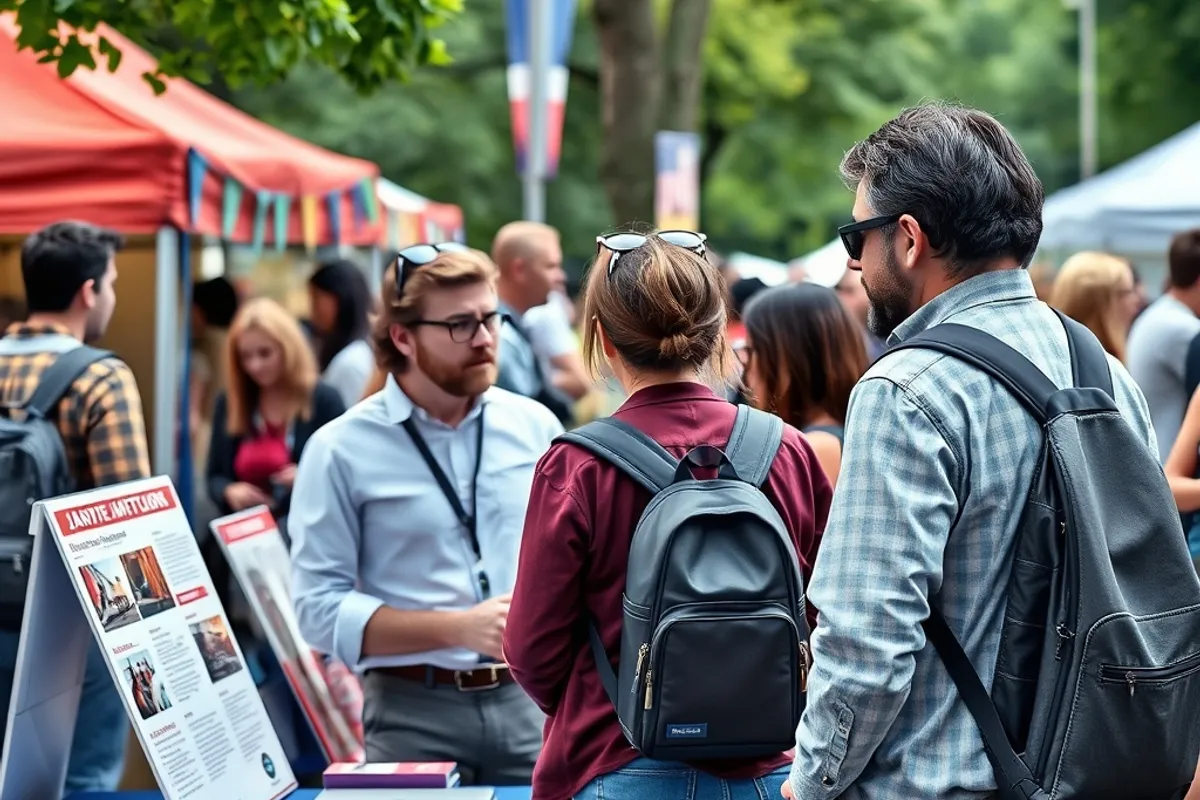
A festival should leave the street clean and accessible. Waste collection, accessible routes and clear signage matter to residents who did not attend.
The best events plan the morning after as carefully as the opening hour. That habit turns a one-day crowd into long-term support.
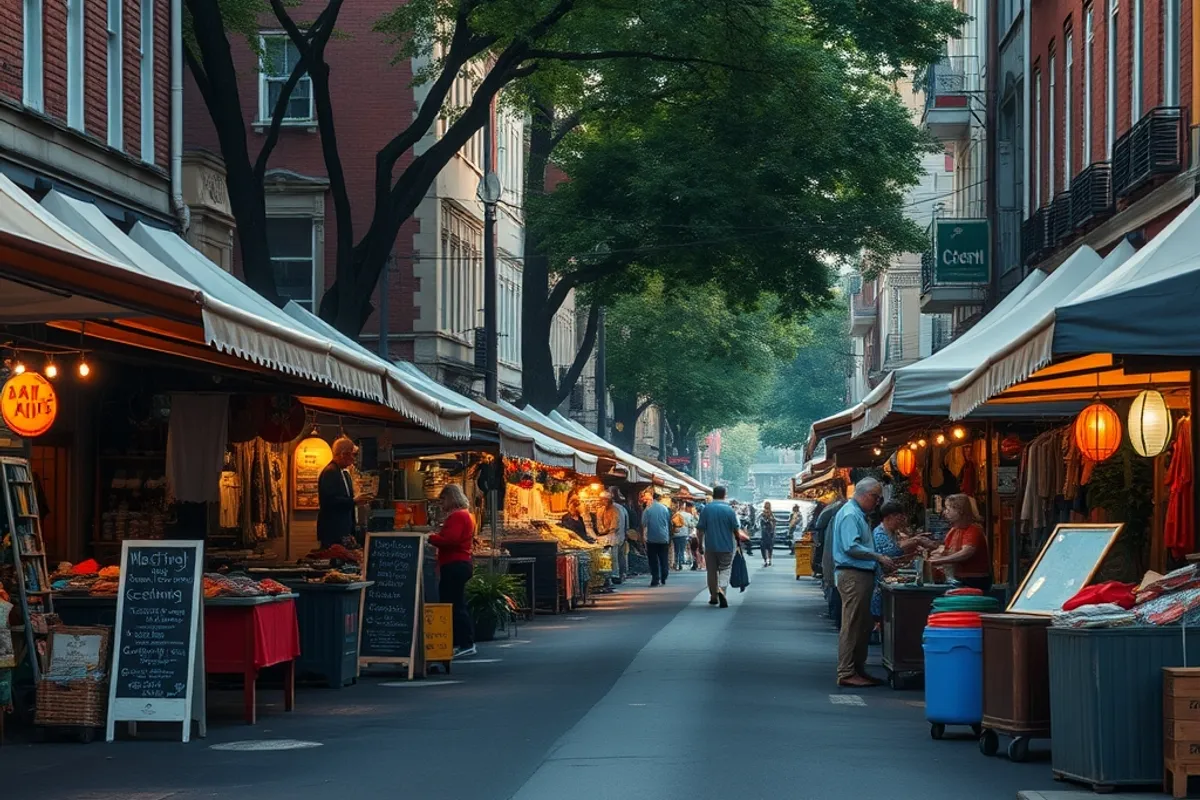
The measure of a festival is what remains when the street reopens.
How to Use This Reporting
This culture & society report is written so a reader can check the claim without reading every linked document. The first step is to separate what happened from what is still being checked. Publish a simple budget and show local benefit. That point is the anchor for the rest of the article, because it tells you which detail would change the conclusion if it were wrong.
The second step is to compare the mechanism with your own situation. Give volunteers clear shifts and named leads. Measure more than attendance. Those points explain why the same headline can matter differently in different places, and why a careful local reading is often more useful than a broad claim.
Finally, keep the limits in view. The measure of a festival is what remains when the street reopens. Where the evidence is thin, this article says so and points to the primary material instead of filling the gap with certainty. You can follow the related links below or return to the Culture & Society section for the full picture.
Related reporting
For primary context, see United Nations local culture resources. More coverage is available on the Culture & Society page.
Iliana Rebick reports what changed, what is known and what remains uncertain.