Election Turnout in 2026: What Actually Drives Voters
Election Turnout in 2026: What Actually Drives Voters. Voter turnout in 2026 shifted for practical reasons: local issues, trust in institutions, ballot access.
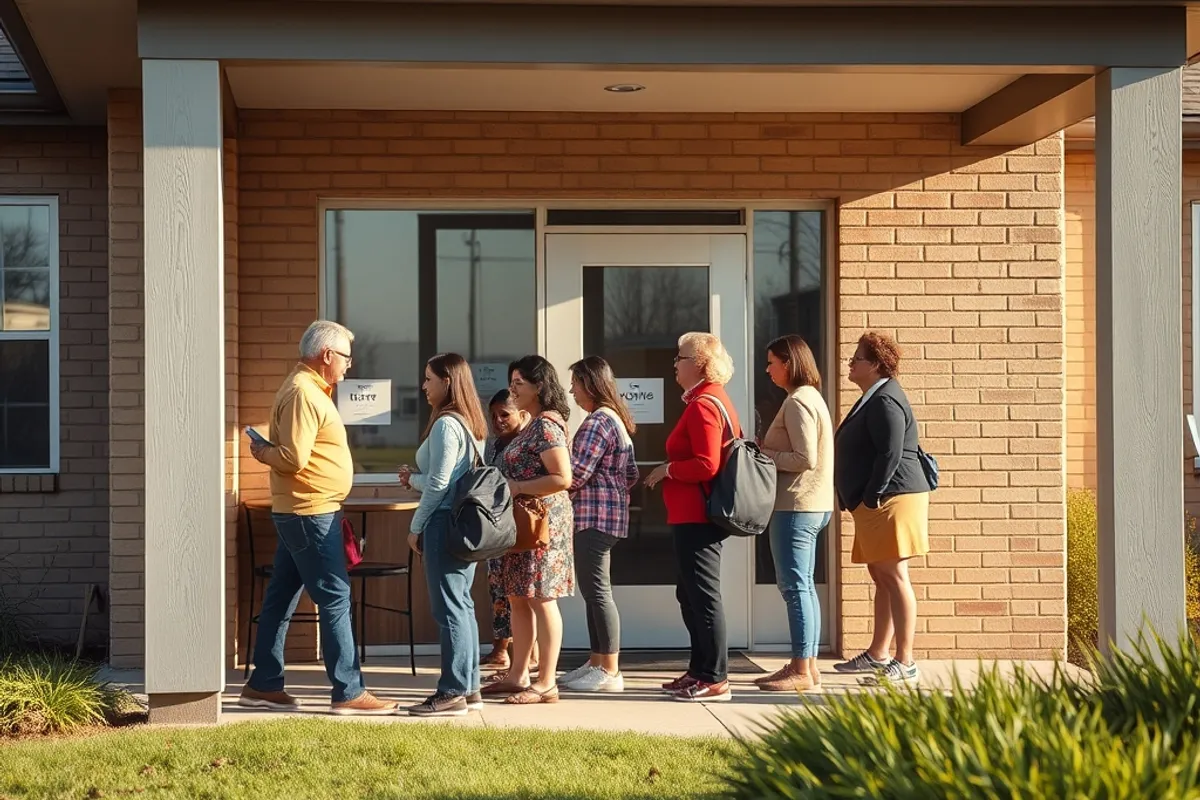
Turnout is often treated as a mood: people care, or they do not. The reality is more practical. A ballot is the end of a chain that includes registration, transport, opening hours and a belief that the result will be counted fairly.
Looking at 2026 contests through that chain explains why some places saw steady queues while others stayed quiet. The reasons are rarely exotic, and they are useful to anyone studying civic life.
Key facts
- Local services often matter more than national messaging
- Registration rules and polling hours change real turnout
- Transparent counting supports long-term trust
- A single percentage cannot explain every voter decision
Local Issues Travel Furthest
National campaigns dominate headlines, but local concerns decide many votes. Housing costs, refuse collection, school places and the condition of roads appear in kitchen conversations long before party slogans do.
Where those services are visibly improving, turnout tends to hold. Where residents feel ignored, both anger and abstention can rise. The same national party can therefore perform very differently two towns apart.
Access Shapes the Queue
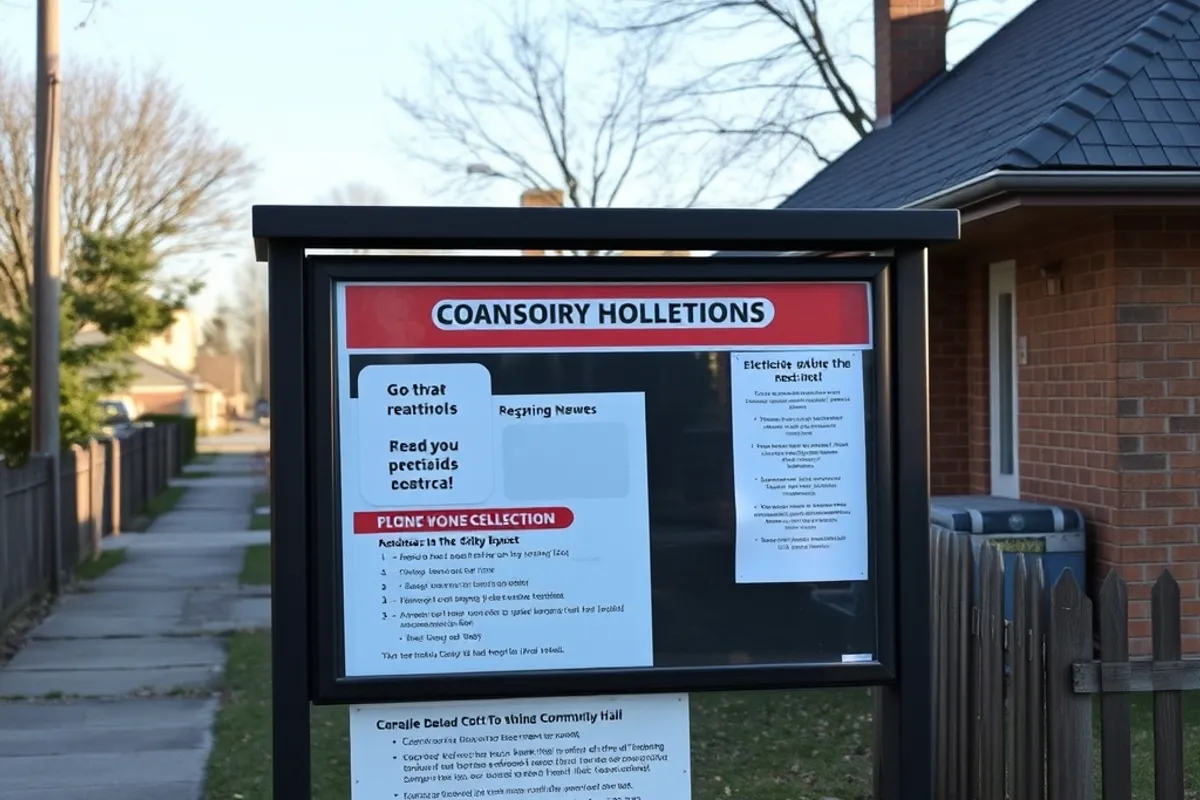
Registration deadlines, polling hours and transport links quietly decide who can vote. A difficult registration form costs more votes than a persuasive speech, especially for younger and mobile citizens.
Election officials who publish clear locations, keep queues moving and offer accessible booths remove friction. Those administrative details rarely make campaign adverts, yet they change the final count.
Trust Is Built Before Election Day
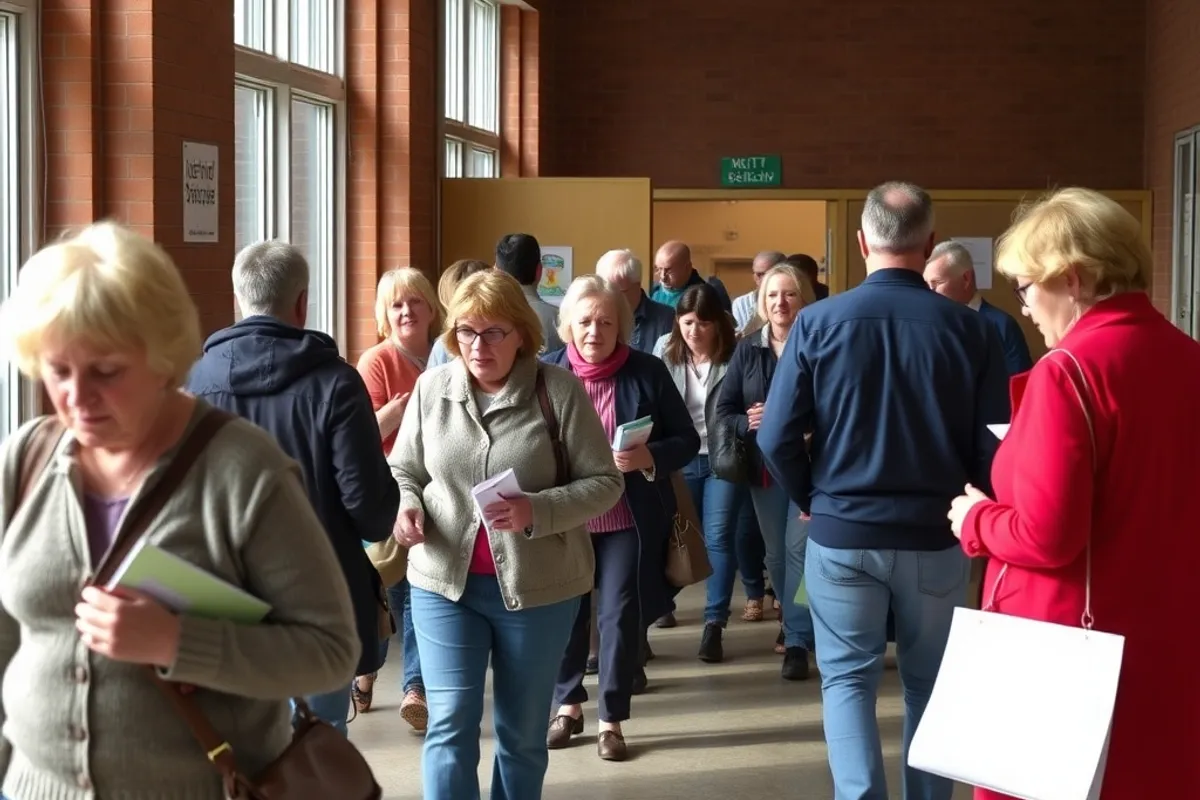
Confidence in the count is cumulative. Transparent counting, published results and visible corrections after mistakes all help. When those basics are missing, uncertainty grows regardless of the result.
Communities with regular local consultation carry that habit into elections. People who see their views reflected during the year are more likely to believe the ballot matters.
What the Numbers Do Not Say
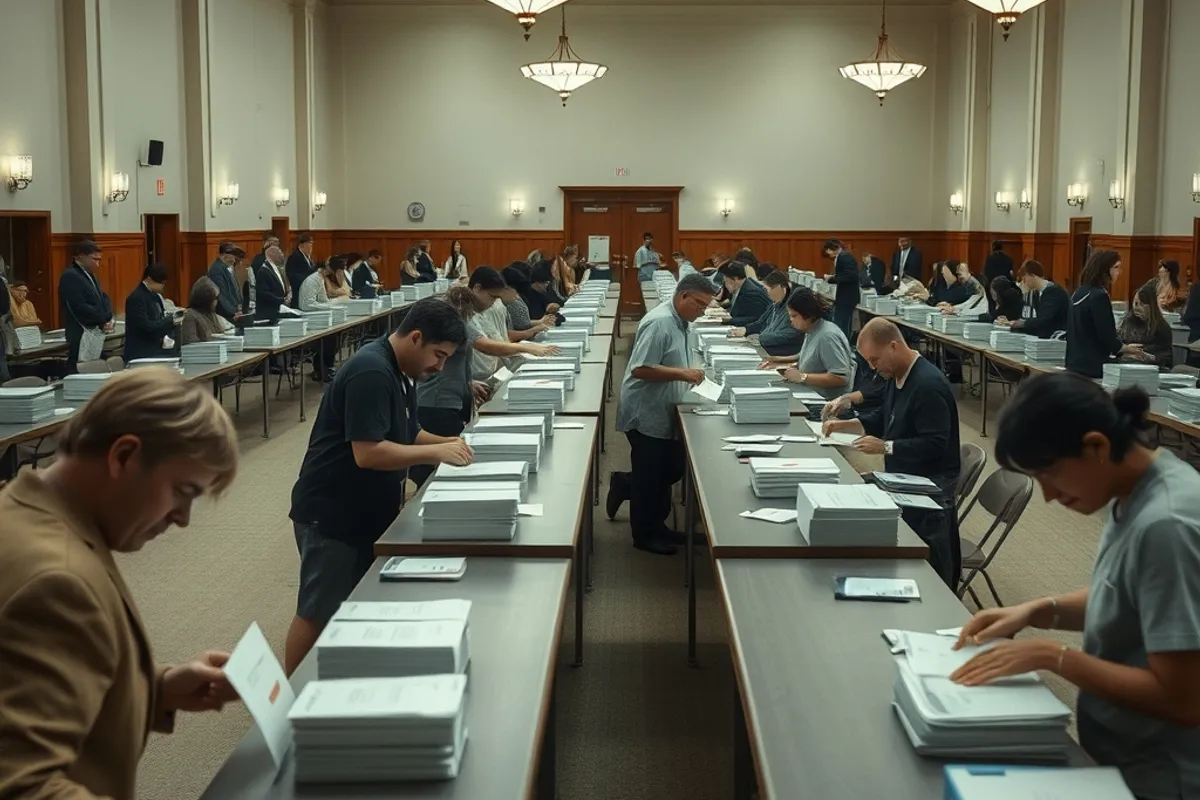
A turnout percentage cannot explain motivation on its own. It mixes new voters, habitual voters and people who stayed home for very different reasons. Surveys help, but they also simplify.
The honest reading combines official figures with local reporting and an awareness of what changed in the rules. That is slower than a headline, but it produces a much clearer picture.
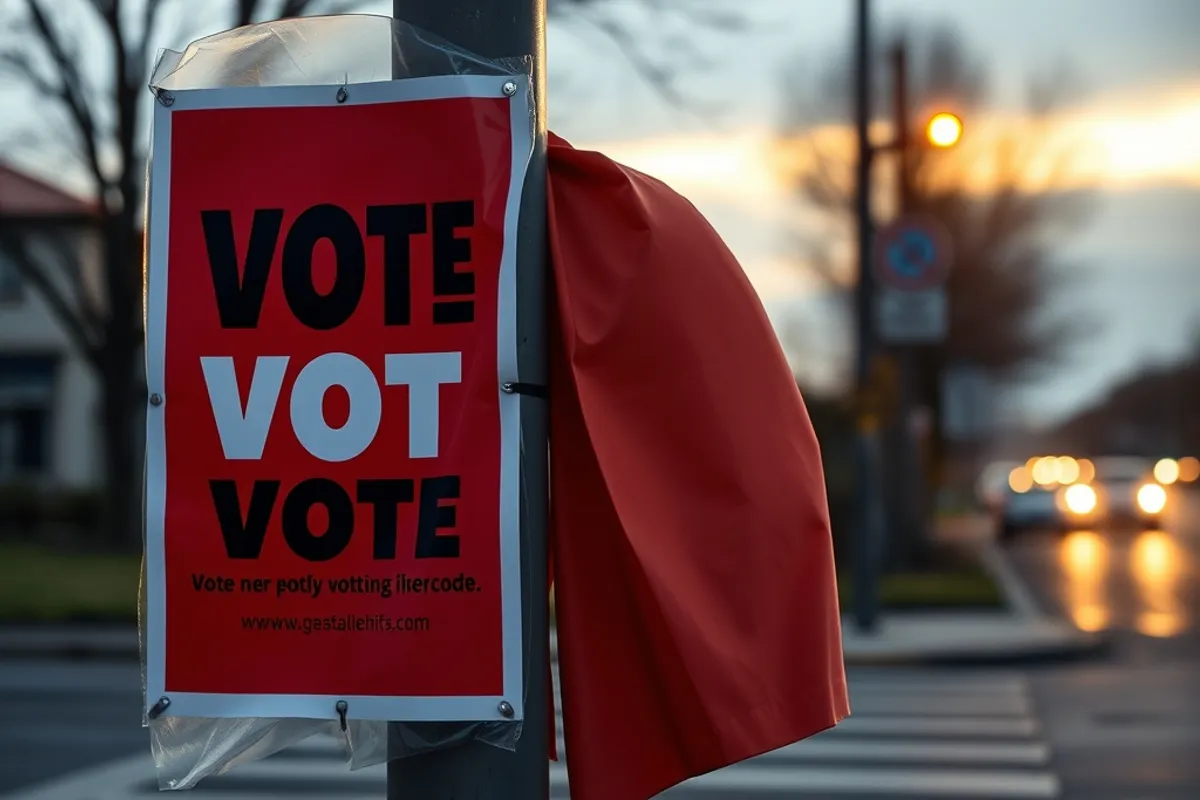
Turnout is not only a measure of interest; it is a measure of access.
How to Use This Reporting
This world news report is written so a reader can check the claim without reading every linked document. The first step is to separate what happened from what is still being checked. Local services often matter more than national messaging. That point is the anchor for the rest of the article, because it tells you which detail would change the conclusion if it were wrong.
The second step is to compare the mechanism with your own situation. Registration rules and polling hours change real turnout. Transparent counting supports long-term trust. Those points explain why the same headline can matter differently in different places, and why a careful local reading is often more useful than a broad claim.
Finally, keep the limits in view. Turnout is not only a measure of interest; it is a measure of access. Where the evidence is thin, this article says so and points to the primary material instead of filling the gap with certainty. You can follow the related links below or return to the World News section for the full picture.
Related reporting
For primary context, see United Nations civic information. More coverage is available on the World News page.
Iliana Rebick reports what changed, what is known and what remains uncertain.