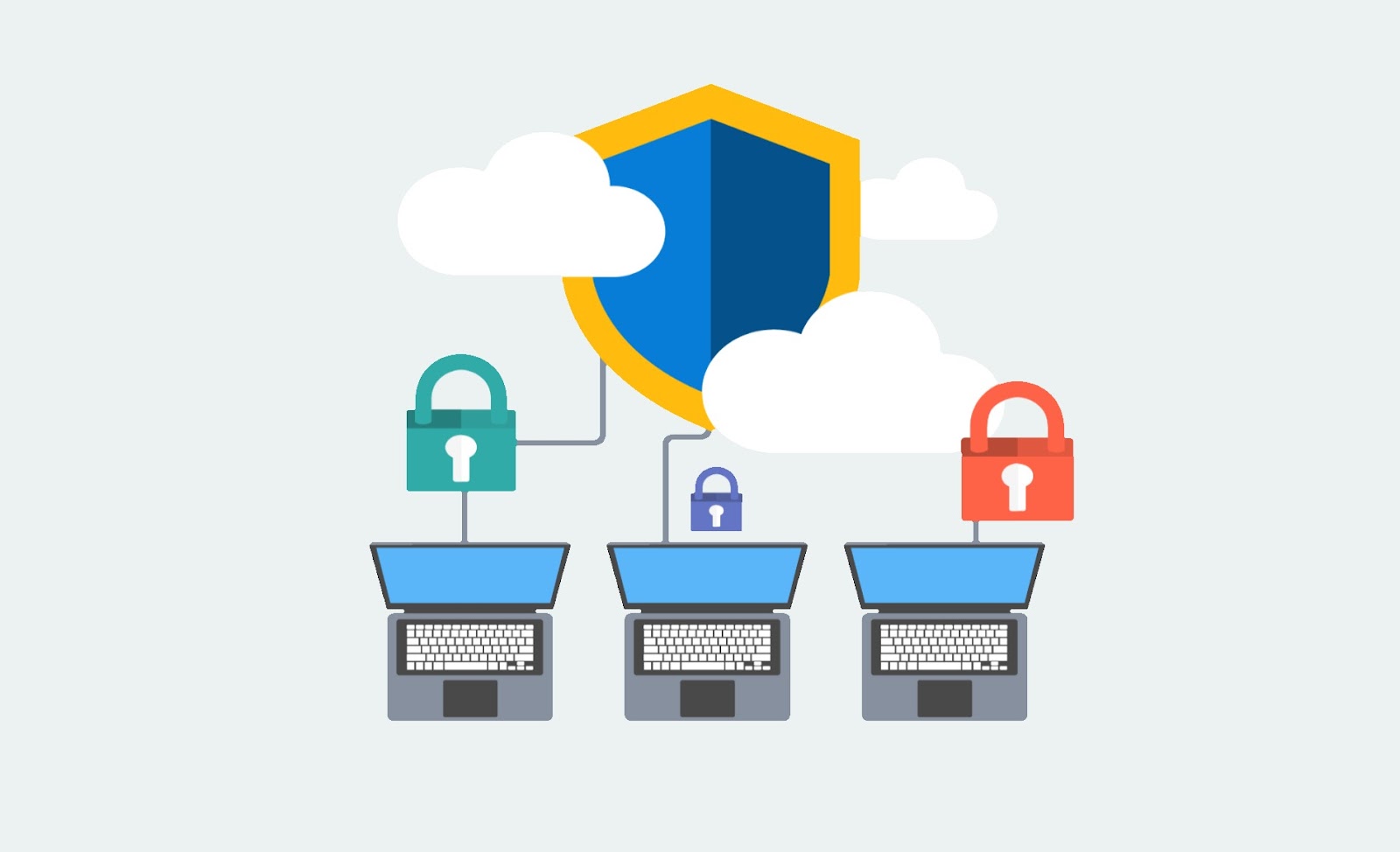
The Invisible Shields: How Network Security Safeguards Your Digital World
In an era where every click, swipe, and login ties us deeper into the digital ecosystem, the invisible walls protecting our online lives have never been more critical. Network security acts as a silent guardian, standing between personal data and the relentless tide of cyber threats. Without it, our digital footprints—from banking transactions to social media interactions—would be exposed to predators lurking in the shadows of the internet. This article explores the foundational role of network security, the layered defenses that keep us safe, and why understanding these protections is essential for anyone navigating the online world today.
Why Network Security Matters Now More Than Ever
As technology evolves, so do the tactics of cybercriminals. The digital landscape has expanded beyond traditional computers to include smartphones, IoT devices, cloud services, and interconnected networks. Each new device and connection point becomes a potential entryway for malicious actors. Network security is not just about protecting data; it’s about preserving trust, privacy, and continuity in both personal and professional spheres.
Consider the following realities:
- Rising Cybercrime: Global cybercrime damages are projected to reach $10.5 trillion annually by 2025, according to Cybersecurity Ventures.
- Data Breaches: In 2023, over 3,200 publicly disclosed data breaches exposed more than 343 million records worldwide.
- Remote Work Expansion: With 70% of the workforce operating remotely at least part-time, home networks have become primary targets for attacks.
- IoT Vulnerabilities: By 2030, it’s estimated there will be over 29 billion connected devices—each a potential weak link if unsecured.
These statistics paint a clear picture: without robust network security, individuals and organizations face enormous risks. Network security doesn’t just protect data—it safeguards livelihoods, reputations, and even national security.
The Building Blocks of Network Security
Network security is built on multiple layers of defense, each designed to address different types of threats. These layers work together like an invisible shield, reinforcing one another to create a resilient system. Here are the key components:
1. Firewalls: The First Line of Defense
Firewalls act as a barrier between trusted internal networks and untrusted external networks, such as the internet. They monitor and filter incoming and outgoing traffic based on predetermined security rules. Modern firewalls can go beyond simple packet filtering to include deep packet inspection, intrusion prevention, and application-level controls—effectively stopping malicious traffic before it reaches your devices.
Types of firewalls include:
- Hardware Firewalls: Physical devices that protect entire networks.
- Software Firewalls: Installed on individual computers or servers.
- Next-Generation Firewalls (NGFW): Combines traditional firewall functions with advanced features like SSL inspection, sandboxing, and AI-based threat detection.
2. Encryption: Encoding Your Data for Privacy
Encryption transforms readable data (plaintext) into an unreadable format (ciphertext) using complex algorithms. Only authorized parties with the correct decryption key can convert the ciphertext back into usable information. This ensures that even if data is intercepted during transmission or stolen from a device, it remains useless to attackers.
Common encryption standards include:
- TLS/SSL: Secures web communications (HTTPS).
- VPNs: Encrypts internet traffic, especially important on public Wi-Fi networks.
- Full-Disk Encryption: Protects all data stored on a device, such as BitLocker or FileVault.
3. Intrusion Detection and Prevention Systems (IDS/IPS)
While firewalls block unauthorized access, intrusion detection and prevention systems actively monitor network traffic for suspicious activity. IDS systems alert administrators about potential threats, while IPS systems take immediate action to block or mitigate attacks in real time.
These systems use:
- Signature-Based Detection: Identifies known attack patterns.
- Anomaly-Based Detection: Detects unusual behavior that deviates from normal patterns.
- Heuristic Analysis: Uses machine learning to identify emerging threats.
4. Access Control: Who Gets In?
Not everyone should have access to your network. Access control mechanisms ensure that only authenticated and authorized users and devices can connect. This includes:
- User Authentication: Requires usernames and passwords, multi-factor authentication (MFA), or biometric verification.
- Role-Based Access: Limits permissions based on user roles (e.g., admin vs. guest).
- Network Segmentation: Divides the network into smaller segments to contain breaches and limit lateral movement.
5. Antivirus and Anti-Malware Software
Despite best efforts, some threats slip through. Antivirus and anti-malware tools continuously scan devices for viruses, ransomware, spyware, and other malicious software. These tools use signature databases, behavioral analysis, and sandboxing to detect and neutralize threats before they cause damage.
6. Patch Management: Closing the Door on Exploits
Many cyberattacks exploit known vulnerabilities in software. Regularly updating operating systems, applications, and firmware ensures that known flaws are fixed before attackers can take advantage. Automated patch management systems can streamline this process and reduce the risk of human error.
Real-World Threats That Network Security Counters
Understanding the threats helps us appreciate the value of network security. Here are some common attacks and how layered defenses prevent them:
Phishing Attacks
Cybercriminals impersonate legitimate entities (e.g., banks, employers) to trick users into revealing sensitive information. Network security tools like email filtering, web content filtering, and user training help prevent users from falling victim.
Ransomware
This malware encrypts a user’s files and demands payment for decryption. Network security measures such as regular data backups, endpoint protection, and network segmentation can minimize the impact and prevent spread.
Man-in-the-Middle (MitM) Attacks
Attackers intercept communications between two parties to steal or alter data. Encryption (e.g., TLS/SSL) and VPNs protect against this by ensuring that data remains confidential and tamper-proof during transmission.
DDoS Attacks
Distributed Denial of Service attacks overwhelm a network with traffic, causing it to crash. Network security solutions like DDoS protection services, rate limiting, and load balancing help absorb and mitigate these attacks.
Insider Threats
Not all threats come from outside. Employees or contractors with access to sensitive data may misuse their privileges. Access controls, monitoring systems, and user behavior analytics help detect and prevent insider threats.
Network Security for Individuals: Practical Steps
While large corporations invest in enterprise-grade security, individuals can also take steps to protect their digital lives. Here’s how:
Secure Your Home Network
- Change Default Credentials: Use strong, unique passwords for your router and Wi-Fi network.
- Enable WPA3 Encryption: The latest Wi-Fi security standard offers stronger protection than older WPA2 or WEP.
- Disable Remote Management: Prevent unauthorized access to your router’s settings.
- Use a Guest Network: Isolate IoT devices and guests from your main network.
Practice Safe Online Habits
- Use Strong, Unique Passwords: Consider a password manager to generate and store complex passwords.
- Enable Multi-Factor Authentication (MFA): Adds an extra layer of security beyond passwords.
- Avoid Public Wi-Fi for Sensitive Transactions: Use a VPN if you must connect to public networks.
- Be Wary of Suspicious Links and Attachments: Don’t click on unknown links or download files from untrusted sources.
Keep Software Updated
- Regularly update your operating system, browsers, and applications to patch known vulnerabilities.
- Enable automatic updates where possible.
Back Up Your Data
- Regularly back up important files to an external drive or secure cloud service.
- Follow the 3-2-1 rule: 3 copies, 2 different media types, 1 offsite.
The Future of Network Security: AI, Zero Trust, and Beyond
Network security is not static; it evolves alongside technology and threat landscapes. Emerging trends are reshaping how we protect digital assets:
Artificial Intelligence and Machine Learning
AI is transforming network security by enabling real-time threat detection, anomaly identification, and automated response. Machine learning models analyze vast amounts of data to detect patterns that humans might miss, reducing false positives and improving accuracy.
Applications include:
- Predictive threat analysis.
- Automated incident response.
- Adaptive authentication based on user behavior.
Zero Trust Architecture
The traditional “trust but verify” model is giving way to “never trust, always verify.” Zero Trust assumes that every access request—whether inside or outside the network—could be a potential threat. Every user and device must be authenticated, authorized, and continuously validated before being granted access.
Key principles include:
- Micro-segmentation of the network.
- Least-privilege access.
- Continuous monitoring and logging.
Quantum-Resistant Encryption
As quantum computing advances, traditional encryption methods may become vulnerable. Post-quantum cryptography is being developed to create algorithms that can withstand attacks from quantum computers.
Blockchain for Enhanced Security
Blockchain technology offers decentralized, tamper-proof ledgers that can enhance identity verification, secure transactions, and prevent data tampering in network security applications.
Conclusion: Your Digital Safety Is Worth the Effort
Network security is not a luxury—it is a necessity in our hyper-connected world. The invisible shields we build today protect not just our data, but our identities, our financial well-being, and our peace of mind. Whether you’re a business owner, an employee, or a casual internet user, taking proactive steps to secure your network is an investment in your digital safety.
By understanding the threats, implementing layered defenses, and staying informed about emerging technologies, we can all contribute to a safer digital ecosystem. Remember: cybersecurity is not a one-time task, but an ongoing commitment to vigilance and improvement. The invisible shields are always working—make sure yours are up to date.