The Green Revolution: How Corporate Sustainability is Reshaping the Business Landscape
In recent years, sustainability has evolved from a niche concern to a cornerstone of modern business strategy. The Green Revolution is no longer a distant ideal but a tangible movement reshaping industries worldwide. Companies are increasingly recognizing that environmental responsibility is not just an ethical obligation but a critical driver of innovation, cost savings, and long-term profitability. As stakeholders—from consumers to investors—demand greater accountability, businesses are rethinking their operations, supply chains, and corporate governance to align with sustainability goals. This shift is not merely a trend but a fundamental transformation in how companies operate and compete in a rapidly changing world.
The Rise of Corporate Sustainability: A Global Imperative
Corporate sustainability refers to the integration of environmental, social, and governance (ESG) considerations into business operations. This holistic approach goes beyond traditional profit motives to encompass a company’s impact on the planet and society. The push for sustainability has been accelerated by several key factors:
- Consumer Demand: Modern consumers, particularly Millennials and Gen Z, are increasingly prioritizing brands that demonstrate a commitment to environmental stewardship. According to a 2023 NielsenIQ report, 78% of consumers are more likely to buy from companies with strong sustainability practices.
- Regulatory Pressure: Governments worldwide are implementing stricter environmental regulations, such as the European Union’s Green Deal and the U.S. Inflation Reduction Act, which incentivize businesses to adopt green practices. Non-compliance can result in hefty fines and reputational damage.
- Investor Expectations: ESG-focused investment funds have surged in popularity, with global ESG assets under management exceeding $40 trillion in 2022 (GSIA). Investors are increasingly scrutinizing companies’ sustainability performance, favoring those with transparent and measurable ESG strategies.
- Resource Scarcity: Climate change and resource depletion are posing significant risks to supply chains. Businesses are turning to sustainable practices, such as circular economy models, to ensure long-term resilience and reduce dependency on finite resources.
Key Strategies Driving the Green Revolution
To stay competitive and future-proof their operations, companies are adopting a range of sustainable strategies. These approaches not only reduce environmental harm but also unlock new opportunities for growth and efficiency.
1. Embracing Renewable Energy
One of the most visible changes in corporate sustainability is the shift toward renewable energy sources. Businesses are increasingly investing in solar, wind, and hydroelectric power to reduce their carbon footprints and energy costs. Major corporations like Apple, Google, and Amazon have committed to powering their operations with 100% renewable energy. Additionally, companies are exploring on-site renewable energy projects, such as solar panel installations on corporate campuses, to enhance energy independence.
2. Implementing Circular Economy Models
The circular economy is a sustainable alternative to the traditional linear “take-make-waste” model. It focuses on designing out waste, keeping products and materials in use for as long as possible, and regenerating natural systems. Companies like Patagonia and IKEA are pioneering circular practices by offering repair services, promoting product longevity, and incorporating recycled materials into their products. By closing the loop, businesses can reduce waste, lower production costs, and create new revenue streams.
3. Sustainable Supply Chain Management
Supply chains are a critical area where sustainability can have a significant impact. Companies are reevaluating their sourcing practices to ensure they are ethically and environmentally responsible. This includes:
- Sourcing Sustainable Materials: Businesses are opting for certified sustainable materials, such as Fair Trade cotton or FSC-certified wood, to minimize environmental harm and support ethical labor practices.
- Reducing Carbon Footprints: Companies are optimizing logistics to minimize transportation emissions, such as by consolidating shipments, using low-carbon transportation methods, and sourcing locally where possible.
- Supplier Engagement: Many corporations are working closely with suppliers to improve sustainability standards. Initiatives like the Supplier Ethical Data Exchange (Sedex) help businesses monitor and improve the ESG performance of their suppliers.
4. Green Building and Infrastructure
Construction and real estate sectors are embracing sustainability through green building practices. Certifications like LEED (Leadership in Energy and Environmental Design) and BREEAM (Building Research Establishment Environmental Assessment Method) are becoming standard for new developments. Features such as energy-efficient lighting, water-saving fixtures, and the use of eco-friendly materials are reducing the environmental impact of buildings while lowering operational costs for businesses.
5. Transparency and Reporting
Transparency is a cornerstone of corporate sustainability. Companies are increasingly adopting standardized reporting frameworks, such as the Global Reporting Initiative (GRI), Sustainability Accounting Standards Board (SASB), and the Task Force on Climate-related Financial Disclosures (TCFD). These frameworks provide clear guidelines for measuring and disclosing ESG performance, helping stakeholders assess a company’s true sustainability impact. Moreover, businesses are leveraging technology, such as blockchain, to enhance supply chain traceability and verify sustainability claims.
The Business Case for Sustainability
While sustainability is often associated with ethical considerations, the business case for adopting green practices is compelling. Companies that prioritize sustainability are not only contributing to a healthier planet but also gaining a competitive edge in several ways:
- Cost Savings: Sustainable practices often lead to reduced energy and water consumption, lower waste disposal costs, and more efficient resource use. For example, Unilever’s Sustainable Living Plan has saved the company €1 billion annually through efficiency gains.
- Enhanced Brand Reputation: Consumers are more loyal to brands that align with their values. A strong sustainability record can enhance brand image, attract top talent, and foster customer loyalty. Patagonia, for instance, has built a loyal customer base by prioritizing environmental activism and ethical sourcing.
- Access to New Markets: Sustainability can open doors to new business opportunities. Companies that develop green products or services, such as electric vehicles or sustainable packaging, can tap into growing markets driven by consumer demand for eco-friendly solutions.
- Risk Mitigation: By addressing environmental and social risks proactively, companies can avoid costly disruptions to their operations. For example, businesses that reduce dependency on fossil fuels are less vulnerable to volatile energy prices and regulatory changes.
- Investor Attraction: ESG-focused investors are increasingly favoring companies with strong sustainability credentials. Businesses that demonstrate a commitment to ESG are more likely to secure funding and enjoy higher valuations.
Challenges and Criticisms
Despite the progress, corporate sustainability faces several challenges and criticisms. Some of the most common concerns include:
- Greenwashing: A significant issue in the sustainability space is greenwashing, where companies exaggerate or misrepresent their environmental efforts to appear more sustainable than they are. This erodes consumer trust and can lead to regulatory scrutiny. For example, H&M faced backlash for its “Conscious Collection,” which was criticized for lacking transparency in its sustainability claims.
- High Initial Costs: Transitioning to sustainable practices can require significant upfront investments, which may deter some businesses, particularly small and medium-sized enterprises (SMEs). However, many companies find that the long-term savings and benefits outweigh the initial costs.
- Complexity of Supply Chains: Ensuring sustainability across global supply chains is challenging, especially when suppliers operate in regions with lax environmental regulations. Companies must invest in robust monitoring and collaboration to address this issue.
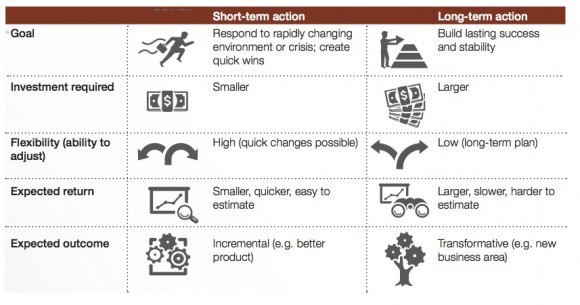
- Balancing Short-term and Long-term Goals: Many businesses struggle to balance short-term financial performance with long-term sustainability goals. Shareholder pressure to deliver immediate returns can sometimes conflict with investments in sustainable initiatives.
The Future of Corporate Sustainability
The Green Revolution is still in its early stages, and the future of corporate sustainability promises even greater innovation and impact. Several trends are likely to shape the next decade of sustainable business practices:
1. Technological Advancements
Emerging technologies are set to revolutionize corporate sustainability. Innovations such as artificial intelligence (AI), the Internet of Things (IoT), and blockchain are enabling businesses to optimize resource use, enhance supply chain transparency, and improve energy efficiency. For example, AI-driven energy management systems can reduce electricity consumption in buildings by up to 30%. Similarly, blockchain technology can provide immutable records of sustainable sourcing practices.
2. Policy and Regulation
Governments worldwide are expected to introduce more stringent sustainability regulations, which will drive further adoption of green practices. The European Union’s Corporate Sustainability Reporting Directive (CSRD) and the U.S. SEC’s climate disclosure rules are examples of regulatory changes that will hold companies accountable for their environmental impact. Businesses that proactively align with these regulations will be better positioned to navigate the evolving compliance landscape.
3. Collaboration and Partnerships
Sustainability cannot be achieved in isolation. Companies are increasingly forming partnerships with NGOs, governments, and other businesses to tackle global challenges. Initiatives like the Carbon Disclosure Project (CDP) and the Science Based Targets initiative (SBTi) bring together stakeholders to set and achieve ambitious sustainability goals. Collaboration fosters shared learning, resource pooling, and collective action, amplifying the impact of individual efforts.
4. Consumer and Employee Expectations
As awareness of environmental issues grows, consumers and employees are demanding more from businesses. Employees, particularly younger generations, are seeking employers with strong sustainability values. Companies that prioritize ESG are more likely to attract and retain top talent. Similarly, consumers are willing to pay a premium for products and services that align with their values, further incentivizing businesses to adopt sustainable practices.
Conclusion: A Sustainable Future is Within Reach
The Green Revolution is transforming the business landscape, proving that profitability and sustainability are not mutually exclusive. Companies that embrace sustainable practices are not only contributing to a healthier planet but also positioning themselves for long-term success. While challenges remain, the momentum toward corporate sustainability is undeniable. By adopting innovative strategies, fostering transparency, and collaborating across sectors, businesses can drive meaningful change and create a more sustainable future for all.
As consumers, investors, and employees continue to prioritize sustainability, the companies that lead the charge will not only reap the rewards of a loyal customer base and a resilient business model but also play a pivotal role in shaping a greener, more equitable world. The Green Revolution is not just an environmental movement—it is a business imperative that will define the next era of corporate success.