Introduction & Background
In today’s fast-paced world, businesses are facing an era of unprecedented change driven by rapid technological advancements. The digital age has reshaped industries, consumer expectations, and market dynamics, making it essential for organizations to adapt or risk becoming obsolete. Digital transformation is no longer a choice but a necessity for survival and growth. It encompasses the integration of digital technology into all areas of a business, fundamentally changing how companies operate and deliver value to customers. From small startups to global enterprises, organizations are leveraging digital tools to enhance efficiency, innovate products, and create seamless customer experiences. The significance of digital transformation lies in its ability to level the playing field, allowing even traditional businesses to compete with agile, tech-savvy competitors. As customer behaviors evolve and data becomes a critical asset, businesses that embrace digital transformation are better positioned to thrive in an increasingly interconnected world.
Concept & Overview
Digital transformation refers to the process of using digital technologies to create new, or modify existing, business processes, culture, and customer experiences to meet changing business and market requirements. It goes beyond mere digitization, which involves converting analog information into a digital format. Instead, digital transformation involves a holistic approach that integrates technology into every facet of an organization, fostering innovation, agility, and customer-centricity. At its core, digital transformation is about leveraging data, automation, artificial intelligence, cloud computing, and other emerging technologies to drive growth and efficiency. It requires a cultural shift within organizations, encouraging a mindset of continuous improvement and adaptability. Leaders must foster an environment where experimentation is encouraged, and failure is viewed as a stepping stone toward innovation. The ultimate goal is to create a business model that is not only resilient but also capable of seizing new opportunities in a digital-first world.
Key Features & Highlights
- Customer-Centric Approach: Digital transformation prioritizes the customer experience by leveraging data analytics to understand preferences, behaviors, and pain points. This enables businesses to deliver personalized products and services that meet evolving customer needs.
- Operational Efficiency: Automation and AI-driven tools streamline operations, reducing manual processes and minimizing errors. This leads to cost savings, faster decision-making, and improved productivity across departments.
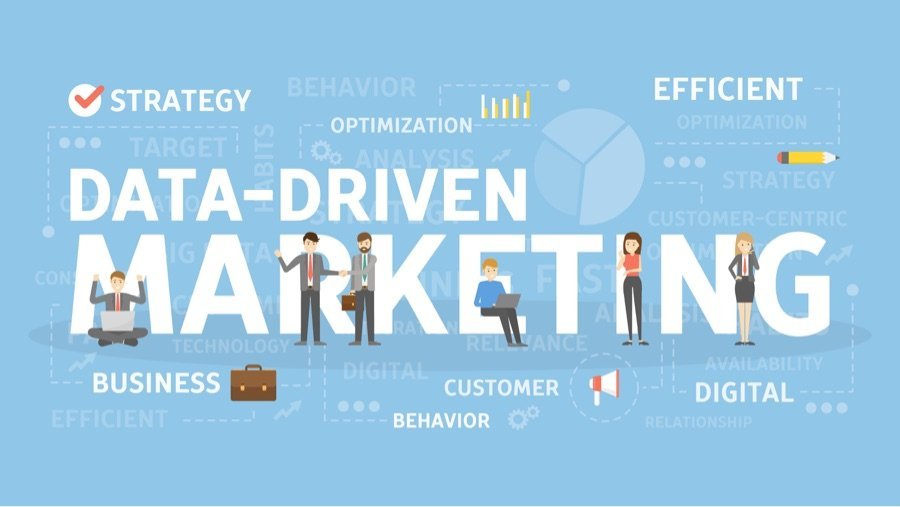
- Data-Driven Decision Making: Businesses harness the power of big data and analytics to gain actionable insights. These insights inform strategic decisions, helping organizations anticipate market trends, optimize supply chains, and enhance performance.
- Agility & Innovation: Digital transformation fosters a culture of innovation by enabling rapid experimentation and iteration. Companies can quickly adapt to changing market conditions, launch new products, and pivot strategies as needed.
- Enhanced Collaboration: Cloud-based tools and digital platforms facilitate seamless communication and collaboration among teams, regardless of location. This breaks down silos and promotes cross-functional alignment.
- Scalability & Flexibility: Digital technologies allow businesses to scale operations efficiently. Whether expanding into new markets or accommodating growth, digital infrastructure provides the flexibility to adapt without significant overhead costs.
Frequently Asked Questions / Pros & Cons
What are the primary drivers of digital transformation?
Digital transformation is primarily driven by advancements in technology, changing customer expectations, competitive pressures, and the need for operational efficiency. Businesses are also motivated by the desire to unlock new revenue streams, improve decision-making, and future-proof their operations against disruptions.
How does digital transformation differ from digitalization?
Digitalization involves converting analog information into digital formats, such as scanning paper documents into PDFs. Digital transformation, on the other hand, is a broader process that integrates digital technology into all aspects of a business, fundamentally altering how it operates and delivers value.
Pros of Digital Transformation:
- Improved customer experience through personalized interactions and seamless service delivery.
- Increased operational efficiency and cost savings through automation and process optimization.
- Enhanced competitiveness by enabling businesses to adapt quickly to market changes.
- Better decision-making with real-time data and analytics at the forefront.
- Stronger collaboration and communication across teams and departments.
Cons of Digital Transformation:
- High initial costs associated with implementing new technologies and training employees.
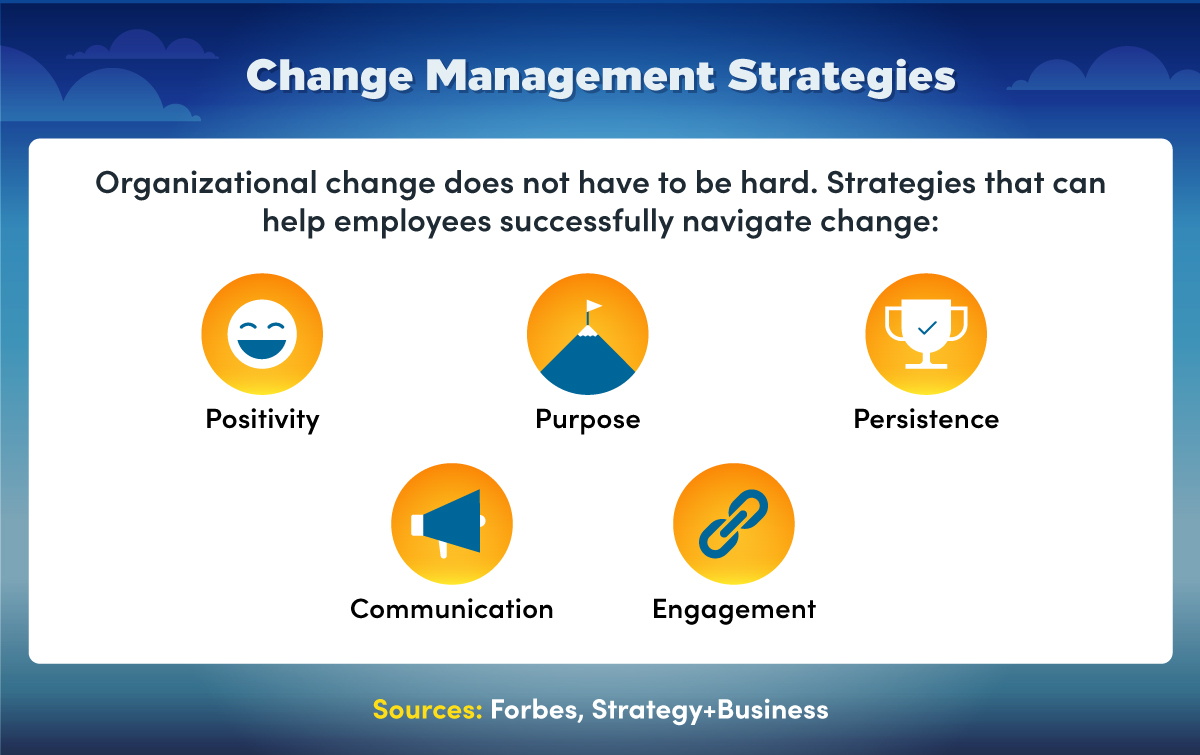
- Resistance to change from employees accustomed to traditional methods.
- Cybersecurity risks as businesses become more reliant on digital systems.
- Potential disruption during the transition period, leading to temporary inefficiencies.
- Complexity in integrating disparate systems and ensuring interoperability.
Practical Guidance & Solutions
For businesses embarking on their digital transformation journey, a strategic and phased approach is critical. Start by assessing your current digital maturity and identifying areas that require improvement. Engage stakeholders across the organization to foster buy-in and align on goals. Prioritize initiatives based on their potential impact and feasibility, focusing first on projects that deliver quick wins to build momentum.
Invest in employee training and upskilling to ensure your workforce is equipped to leverage new technologies effectively. Encourage a culture of continuous learning and experimentation, where failure is seen as a learning opportunity rather than a setback. Choose scalable and flexible technology solutions that can grow with your business and integrate seamlessly with existing systems.
Partner with trusted technology providers and consultants who can offer expertise and guidance tailored to your industry. Regularly measure and evaluate the success of your digital transformation efforts using key performance indicators (KPIs) such as customer satisfaction, operational efficiency, and revenue growth. Stay agile and be prepared to pivot your strategy based on feedback and changing market conditions.
Finally, prioritize cybersecurity by implementing robust measures to protect sensitive data and maintain customer trust. Digital transformation is not a one-time project but an ongoing process, so remain committed to innovation and continuous improvement.
Conclusion
Digital transformation is the driving force behind the evolution of modern business, offering unparalleled opportunities for growth, innovation, and resilience. In a world where change is the only constant, businesses that embrace digital technologies are better positioned to navigate challenges and seize new opportunities. However, success requires more than just adopting new tools; it demands a cultural shift towards agility, collaboration, and customer-centricity. By taking a strategic and people-focused approach, organizations can unlock the full potential of digital transformation and redefine their future in the digital age. The journey may be complex, but the rewards, enhanced efficiency, deeper customer relationships, and sustainable growth, are well worth the effort. As technology continues to advance, businesses that lead the charge in digital transformation will not only survive but thrive in the ever-changing landscape of the digital era.